
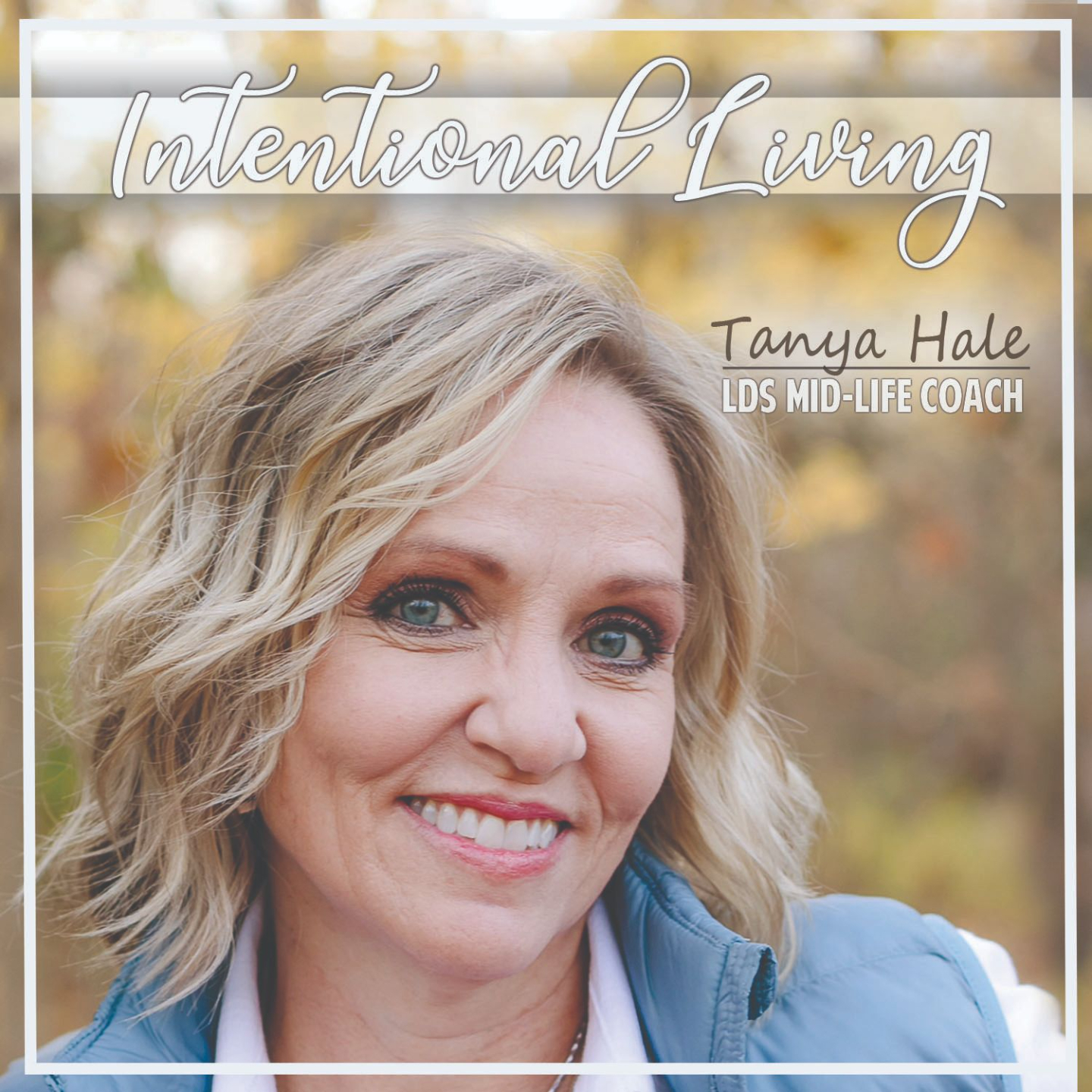
Intentional Living with Tanya Hale
Episode 395
You Can't Make Them Love You
00:00
Well, hey there. Welcome to Intentional Living with Tanya Hale. This is episode number 395, "You Can't Make Them Love You." Welcome to your place for finding greater happiness through intentional growth, because we don't just go into the life of our dreams...we choose to create it. This is Tanya Hale, and I'm your host for Intentional Living.
00:22
Alright. Hello there, my friends. Welcome to the podcast today. As always, so glad to be here to share some content with you that I've been working on and thinking about and glad to have you here sharing this time with me. I really appreciate you being here. To be entrusted with your time is, I take that very seriously, and I appreciate you wanting to make your life better, to move into a space where you feel more aligned, where you feel more equal in how you're showing up in the world, and to really just be in a solid place where your life gets better and easier because of the tools that we use here. So thanks for being here.
01:02
Really quickly, the next Talk with Tanya is going to be February 9th. That is always at 2 o'clock Eastern, 12 o'clock Mountain. And let's see. And so if you want to come to that, that is just a free time to sit down and chat with me about anything you want, get some free coaching, listen to other people get coached. It's all good. And it is just a great, really fun opportunity to connect.
01:29
The other thing, my Should I Stay or Should I Go class starts tonight, but my Ultimate Date Night for couples starts on this Thursday, January 22nd. So if you have been interested in that, if there are still spots left, you can go to tanyahale.com, go to the group coaching tab, and click on that and see what is still available if it is, and go there. That's also where you can find the Talk with Tanya information.
01:56
So let's jump into today's topic. We are talking about the fact that you can't make other people love you. So this is something that in my previous marriage, I was confused about. I kept thinking that if I was good enough, if I was perfect enough, that I could get my ex-husband to really love me in the way that I wanted to be loved. And I joke with people all the time when they're like, "oh, you're a good cook. Oh, you're good at this. Oh, you're good at this." I'm like, "yeah, yeah. That was all in my pursuit of perfectionism, in my pursuit to try and get my husband to love me." But guess what? If somebody doesn't want to love me, they won't. They don't get to do anything that they don't want to do. And people have all kinds of different reasons for why they love or why they don't love or what they like and what they don't like. But if they don't want to love us, we cannot control that. We cannot make anybody love us.
02:58
Now, we can put stuff in their circumstance line. My actions move into their circumstance line. And that's what I have control over. That's it. But many of us were raised believing that we had some sort of control over other people. There were ideas that if we were good, that our parents would love us more. Maybe we heard phrases like, "listen, mommy loves it when you keep your room clean," or "I'm so proud of you when you do well in school." These are ideas that inherently kind of come with an edge that says, if I do this behavior, I can earn love. We were also given ideas that if we're kind at school, then we will have friends. And that was often accompanied for me with this phrase of, "we're just going to kill them with kindness," right? Like if I am kind enough, if I behave enough in kind ways, eventually they will come around. Eventually they will decide that they love me. And that's just manipulative and untrue. And we have to start looking at it this way.
04:11
And another way that we were taught as young women, I know that I was taught, that if I don't keep my shoulders covered, if I wear something that's too low cut, if I show too much leg or too much stomach, that the boys can't control their thoughts. So it's my job to control their thoughts for them by dressing in ways that don't cause them to think things that might be inappropriate. Notice the inherent in that as well, that I can control their thoughts, right? It's no wonder that we all grew up with these ideas thinking that we can control other people.
04:51
And here's the last one, the last example I want to share with you. I grew up believing that if I obeyed the commandments, that God would love me more than if I didn't obey the commandments. And this is crazy, because guess who is the best example of love? That's God and Jesus Christ. They love us independently of our behaviors. In fact, we are told in the scriptures that God is love, right? He is the example of love. His love is clean and unconditional. We cannot earn His love. We cannot make God love us or make God not love us. And, you know, like when it comes to my kids, I have this thought with them that listen, I get to love you and there's nothing you can do about it. They also cannot make me unlove them. We can't make people love us. We also cannot make people unlove us.
05:56
Now, the challenge then is that we bring these ideas of being able to control people's love. We bring it into our adult lives and we start living them out within our relationships. Now, this is a very subtle way that this shows up in our lives, but people-pleasing is a great example of how we think that we can make people like us or love us. Now, people-pleasing at first sounds like a great idea. I know that when I was young and people would talk about people-pleasing, my head was thinking, oh, well, that's a good thing, right? I'm serving people. I'm doing things that make other people feel good, that make people like me, right? We are doing things that other people want, and then we get them to like us. Well, technically, that's just manipulative and it's dishonest. First, we're trying to make other people like us by doing things for them. We're trying to manipulate their acceptance, their liking of us. Second, we are not showing up authentically to get other people to like us when we lie about who we are and about what we want. We are not showing up honestly when we are doing things only to get people's approval. And what happens then is that these people-pleasing behaviors erode our own self-respect over time. We put our real wants and needs behind having other people validate us, other people accept us, other people make us feel like we are of more value because we are doing things for them.
07:46
So if you want to go back and listen to podcast number 390 that says "You Can't Fill Their Bucket," this is the idea that other people can never fill our wants and needs. So if my self-respect is waning, other people cannot give that to me. And when I seek for other people to do that, then my self-respect erodes because this is my job to take care of myself, to take care of my own self-respect. And people pleasing is wanting other people to take care of my sense of self. It's a reflective sense of self, and I know we've talked a lot about that, but we are wanting to get their approval so that we can feel good about us. When other people love me, then I can love myself. And that's called a reflective sense of self.
08:40
And this just doesn't work because feeling good about us can only come from us. Only I can fill my bucket. Regardless of what anybody else says or does in my life, they cannot make me feel good about myself. They cannot make me feel self respect or self-trust. This is stuff that has to come from me. Now, when other people give me certain kinds of validation, I might get a small surge of importance and value. But it feels good for just such a short time. It just doesn't last.
09:16
So this shows up often when we are dating. I know that when I was dating and as I've worked with other adults in their midlife who are dating, we oftentimes have this tendency to want to go into a date, not really showing up as us. Right? We want to put forth our best foot. We want to show up as the best version of us so that we have the best chance of them liking us. But then here's what happens when I'm showing up only as my best version, not as a real version of me, but that's the cream of the crop and maybe even a little bit above that, then who, if they do fall in love with that person, they're not falling in love with the real me. They're falling in love with a fake version of me. And then I will always wonder, do they really love me or do they just love this fake version of me? And then I feel like I have to show up as the fake me all the time because that's who they love. And if I show up as the real me, are they going to love that? So we will always wonder, do they really love me? We will be insecure in the love that they do offer us because it's not based in reality.
10:34
Insecurity shows up more with people pleasing because it creates this vicious downward cycle. Right? I'm showing up in a way to make them love me, but then do they really love me or do they just love what I do for them? Do they just love this pretend version of me that they're seeing? And then we feel the need to shore that up with more people-pleasing. So we create this cycle. And this leads to a lot of self-worth struggles within ourselves, a lot of places where we struggle to see our own value.
11:09
And when our own self-respect wanes, deep inside, we start to question our inherent value. We start to see our worth as something that is earned through our works. But here's the deal. What we do will never impact our self-worth. Our self-worth is just always there. It always has been. We were born with self-worth and we will die with self-worth. It doesn't increase. It doesn't decrease. I don't care what behaviors I engage in. It does not make me more valuable or less valuable as a human. So our self-worth has always existed. Why do so many of us feel like we don't have any? Because we don't think we have self-worth. We don't acknowledge our worth.
12:02
And here's the deal. We just get to choose to believe that we have worth. Now, it's easy to believe that everybody else has worth. And sometimes we tend to think that we are the lone unicorn out in the world who doesn't have self-worth, who doesn't have worth. But it's our choice. We just get to choose to believe that it is there because it is. Our worth is not created nor is it verified by someone else loving us.
12:35
And this brings us back to this idea that we can't make other people love us. When we are insecure in our worth, we will try to get other people to love us in order to shore up our own insecurities. But their love is in their lane. It is their responsibility. And if this other person in our life cannot love us, that has nothing to do with us. It has everything to do with them. We are always lovable. We always have been. I am always capable of being loved by someone. Just because someone else can't love me, that has nothing to do with me. It has everything to do with their capacity for love.
13:24
So same, though, the other way around, when I struggle to love someone, that says everything about my weaknesses, about my incapacity to love. It says nothing about them. And nothing that we can do can make other people love us, regardless of what we do. In fact, people-pleasing may even push them farther away because they might lose respect for us, consciously or unconsciously. They might start seeing us as somebody who can be used to get what they want.
14:03
So I think all of us have been people-pleased by other people, and we know that that's a really awkward, uncomfortable place because we know that they're trying to earn our love. I know that as a school teacher, I would have students who were very insecure and they sought for the approval of the teacher. And I always felt very sad for them. I felt pity for them. And I also kind of felt this like emotionally distant from them. Like, I don't want to get involved in that. And that's an interesting place, isn't it? You would think that when I have people people-pleasing me, that I would be eating it up and be like, "oh yeah, bring it on. Give me more of that." And yet I actually felt the opposite. I felt a little bit like, "ooh, yeah, I don't really love this. This is uncomfortable for me." And I don't think I'm alone in that either.
14:57
So my lane's responsibility is to show up the way that I want to, to be loving, kind, patient, compassionate, and let them be responsible for what's in their lane, which is their choosing to love or not to love, them choosing how to behave, them choosing what to think and what to feel. I can only control me. I cannot control them or how they feel about me. Like we were talking about before, I can put my actions in their circumstance line and they get to choose what to think and what to feel about what I put in their action line. If they want to love, they will figure out how to do it. But if they don't want to love, they're not going to expend any effort.
15:54
And we get to just start believing people when they show us who they are. If someone is not willing to extend any effort to have a relationship with us, we get to believe them when they show up that way, when they show us who they are. If they want a relationship, they will put forth the effort. Does this person show up for you? Do they value your happiness as much as they value their own? Do they treat you with respect and with kindness, not because there's anything they can get from you, but because that's how they want to build a relationship with you?
16:35
And everybody, let's just stand back a bit. Everybody is on their own journey. Some people struggle to love because of childhood traumas. So I'm not saying that if somebody chooses not to love us, that that makes them a horrible person. Every human gets to choose their engagement, though. It's just good data. When they show you who they are, we get to believe them. We get to allow them to be who they want to be, to show up how they want to show up. That is our staying out of their lane. And they get to choose not to love if they want to. Put what you will in their circumstance line. They get to choose their thoughts and they get to choose their feelings.
17:22
And I think we've all had experiences where we have done kind things for someone out of just out of the goodness of our heart and we've been misjudged. I know that I've had times where I've done kind things and people have said, oh, you're just trying to, you know, to get this job or to do whatever. They've completely misjudged my motivations. I can't control that. And I think we've all been in situations where we've done kind things and it's been accepted for what it is. We also can't control that because how people judge us or how people accept us or reject us is out of our control. How people respond to us is their responsibility. We have no control over how they choose to interpret our behaviors. And their interpretation comes from their own encyclopedia of experience.
18:20
So the encyclopedia of experience is everything that has happened in this person's life from the time they were born creates the lens through which they see the world. Every person they've engaged with, every television show that they've seen, every book that they've read, everything creates a person's encyclopedia of experience. And everybody's encyclopedia is different. We all see the world from a different point of view. Even siblings that we have grown up with, even if you have a twin sibling, you had different experiences in the world. There are many things that were similar, but you also had different teachers at school. You often had different friends. You watched different shows. You saw, you experienced, the world differently, and that has changed how you view the world.
19:12
So what seems like it is loving to us may be very different for someone else. And we get to learn to accept these differences. Just because I put something in their circumstance line that feels like it is loving and kind does not mean they will interpret it as loving and kind. So we just get to learn to accept that all people are different. We get to honor their agency to see the world as they do, to show up how they choose to show up. And they may choose not to love you. And what if that's okay?
19:53
Because really, it's only a problem when we feel that we need their love to feel complete or to feel whole or to feel important. But doing our sense of self-work aids in being able to let go of this. We don't need their love to be happy, to be whole, to feel our worth and our value. Now, might we like their love? Probably, but we don't need it. Does somebody else loving us make life easier? Yeah, sometimes it does. Sometimes it's really hard not to be liked or not to be loved. I know that I generally am a kind person and I've spent a lot of my life being liked by people. And I had a situation a few years ago that I went into and a lot of people didn't like me for no real reason. But it was hard for me to wrap my head around the idea that they don't like me just because they don't like me. And it took me a bit of time to really get to the point where I could say, oh, and it's okay. They don't need to like me in order for me to be happy, in order for me to show up the kind of person that I want to show up.
21:14
And when we put these kinds of ideas into the dating arena, it is so important that we feel wholeness within ourselves first, that we get to a point where we say, listen, I love me and I love being single. I love who I am. I would like to have a life partner, an equal partner, but I don't need one to be happy. I don't need one to feel full and complete and whole. We get in this dating arena, show up strong, confident, and full of ourselves. Not full of ourselves in a conceited way, but full of our goodness and our worth and our value. When we are happy with us, with who we are, then we don't need anybody else to be happy with us. Does it make life easier when they are? Yeah, I don't have to do so much mind work. But it's okay if people aren't happy with us.
22:09
And this is super empowering because then we get to be us wholly and completely. We don't have to pretend anything. And we get to feel great about being us. And then if they love us because we're showing up 100% us, we know that they love us for who we are and not for who we're pretending to be.
22:32
If we are desperate for someone to love us, especially when we're dating, we will show up in a scarcity mindset and we will end up settling for someone who doesn't make our life significantly better. We will use phrases like, "well, this might be my only chance." Or "this is probably the best I'm going to get." Or "there may not be anybody better out there for me." Or "maybe nobody else will want me." Those are all scarcity mindset, looking for someone to love us, trying to create something that isn't there. And so learning to move into this place where I love myself and it's okay if other people don't love me, where we are secure in being by ourself. That's the best space ever to start dating.
23:26
And in other areas of our life, it's a great place to be as well, because then we stop people pleasing. We step into being more authentic, to being more honest with people. The truth of the matter is, we will never be perfect enough for all the people to love us. People just have too many differences in what they like and what they don't like. And our responsibility is to learn to love ourselves enough that we don't need other people to love us because my life is full of my own love for me.
24:07
Now, this doesn't mean that we don't care about other people or we don't care about being kind or about loving them or that we don't want relationships with other people. What it does mean is that we are true to us and to our values, that we align our lives with what is most important to us, that we show up and we feel amazing about how we're showing up because it's in alignment with who we want to be and with how we want to be. Not everybody is going to love that version of you. And that's okay because you aren't meant to be for everybody. And neither am I. None of us will be loved by everybody. I'm not for everybody. And neither are you.
24:54
And this reminds me of the two great commandments that Jesus Christ talks about in the New Testament. He says that we are to love God, the first commandment. The second is to love others as ourselves. And that means we have to love us cleanly for who we are and then learn to give others the same gift, learning to love them cleanly for who they are. Listen, Christ was perfect and still everybody didn't love him. Being loved by other people was not his concern. His concern was, am I loving others? Am I offering grace and kindness? And using this Christlike model, we can let go of the expectation that how we behave will earn other people's love.
25:50
We cannot earn people's love. Neither do we want to. That would be a lot of hustling and people pleasing for other people's approval. We are not meant to be loved by all the people. We are meant to love, to be responsible for how we're loving, not for how we're being loved, because we have zero control over whether other people love us or not. And letting go of the perceived need to be loved by others is a huge part of growing up into middle life.
26:29
And isn't this growing up gig pretty amazing? It's so incredible to be able to step into a place that says, I am good. I love me. I love how I'm showing up. I have self-respect and dignity in how I'm showing up. And other people don't have to love that. They don't have to like it. They don't even have to agree with it. But we have to get to a point where we like who we are. We like how we're showing up. We love the person that we are becoming. And that is what I've got for you today, my friends.
27:11
Okay. If you would love some personal help from me, learning how to love yourself better, learning how to let go of your people-pleasing tendencies, whatever you got, we can work through it. I can help you develop greater and stronger and healthier relationships. And I know that we can do this faster working one-on-one because I see things that you don't, because this is what I'm good at. I can help you create the relationship with yourself and the relationship with others that you desire. It's not saying we can control whether the other people love us, but we can create a place where we show up in relationship the way that we want to, where we feel strong and powerful and we increase our sense of self. So if you would like to talk with me about that, you can go to my website, tanyahale.com. You can click on the free consultation tab and you can get on my calendar. And let's set up a time that we can coach and that we can talk about coaching. And let's get you set up into moving into the life that you really want to live, the relationships that you really want to have.
28:25
We can do this. You can do this. You have the capacity to show up in ways that you never thought were possible when you start to see it. And if you are committed to better relationships and not just interested, it's going to take a lot of work and it is beautiful work, what it creates. Okay, my friends, have an awesome, awesome day and I will see you next time. Bye.
28:54
Thank you so much for joining me today. If you would love to receive some weekend motivation, be sure to sign up for my free "Weekend Win" Friday email: a short and quick message to help you have a better weekend and position yourself for a better week. Go to tanyahale.com to sign up and learn more about life coaching and how it can help you get to your best self ever. See ya.
